


Is it really monkeys?
Droppings, feathers and twigs mean pigeons; a standard pigeon net is enough. Torn plants, missing fruit, opened windows, lifted tank lids and pulled-off clothes mean monkeys, which need the heavier net.
If monkeys came once and moved on, keeping food out of sight may be enough. If they come back, it’s time for a net.
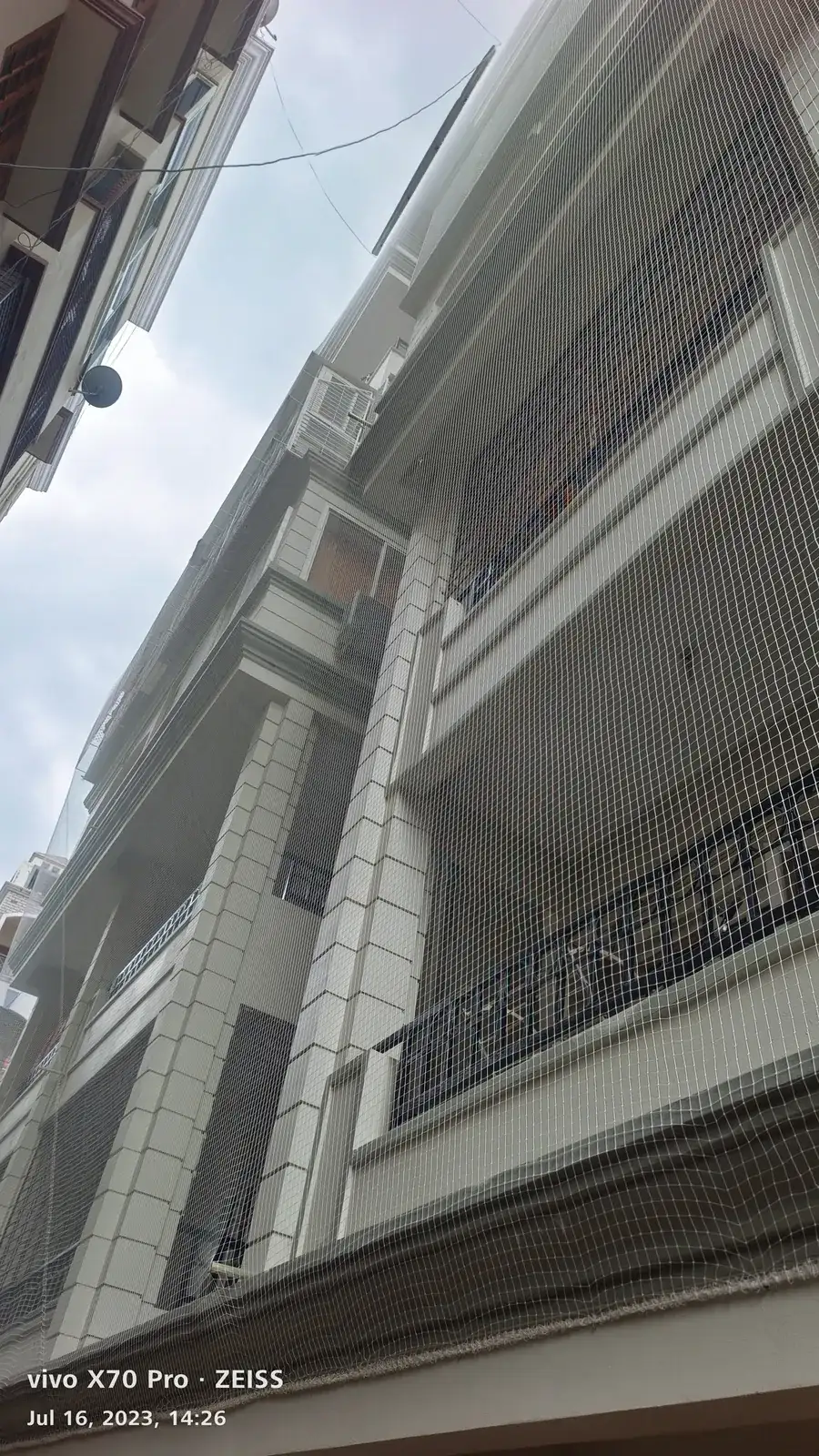
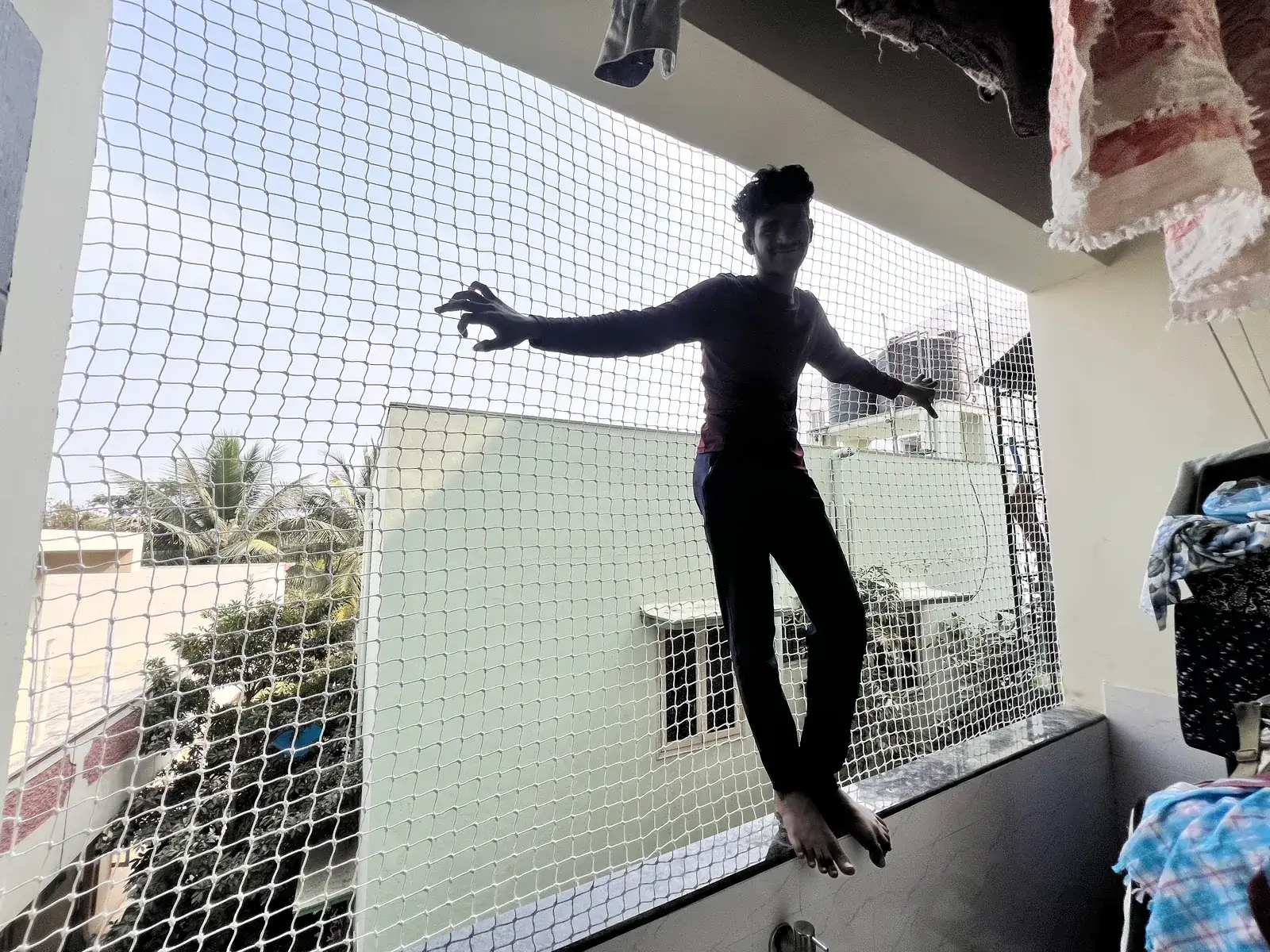
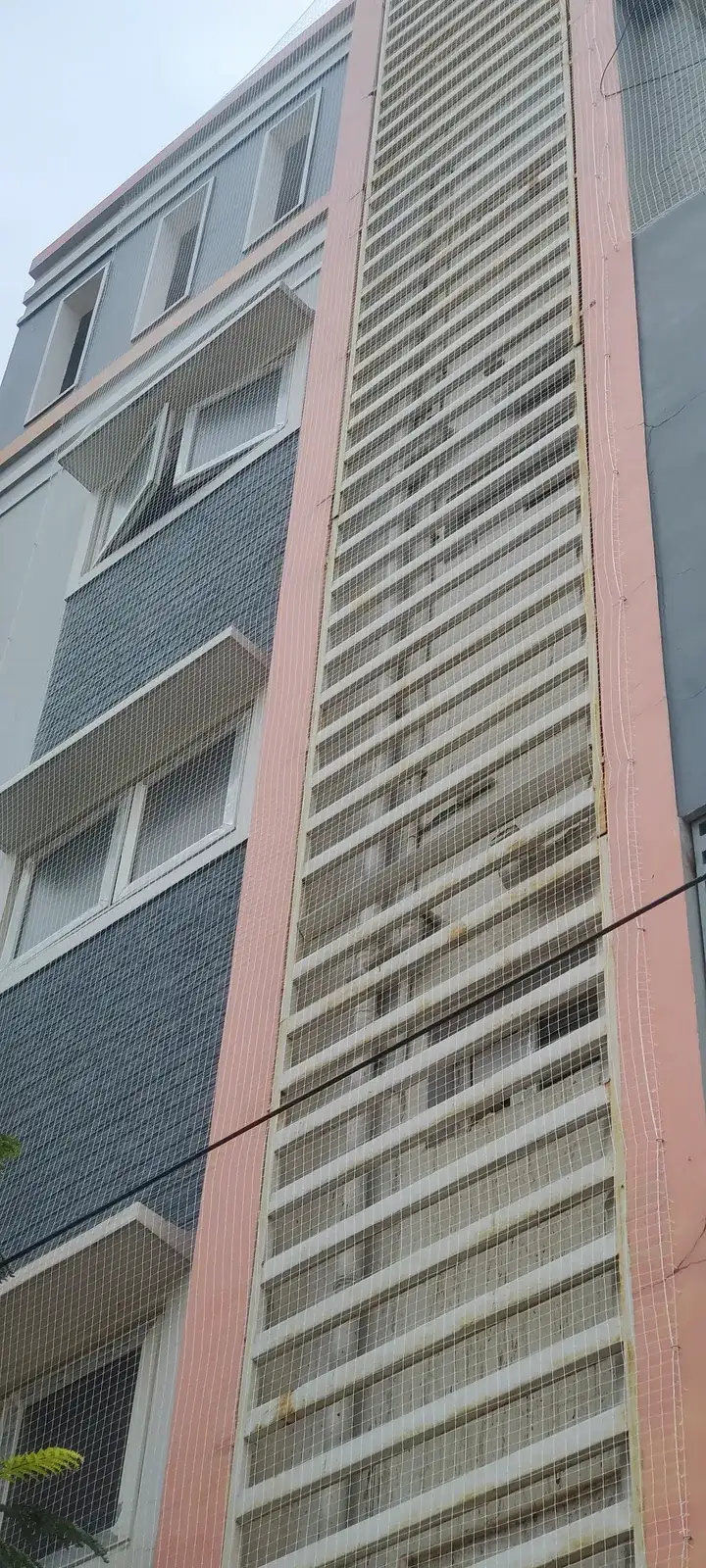
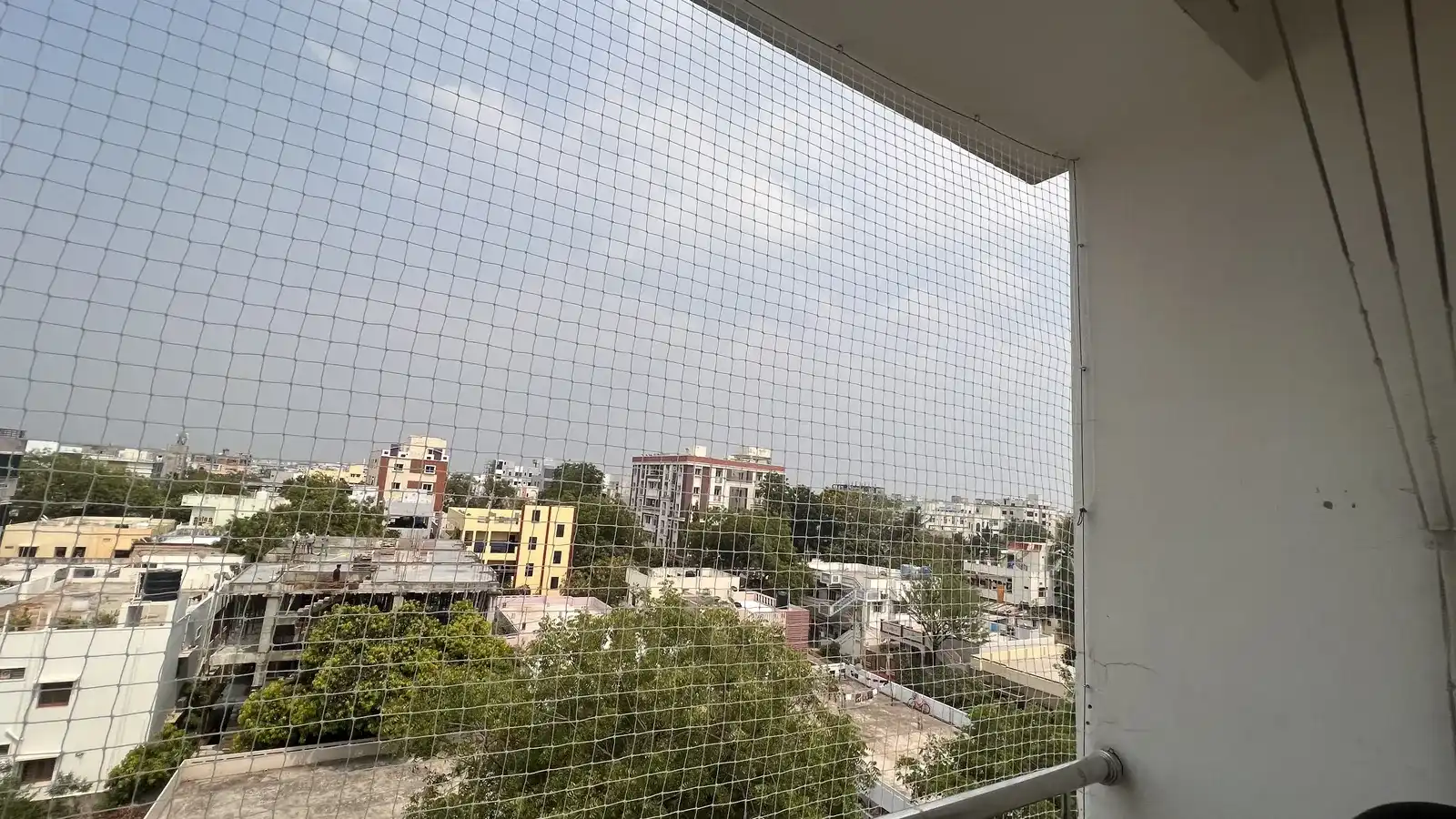
What does a monkey net cover?
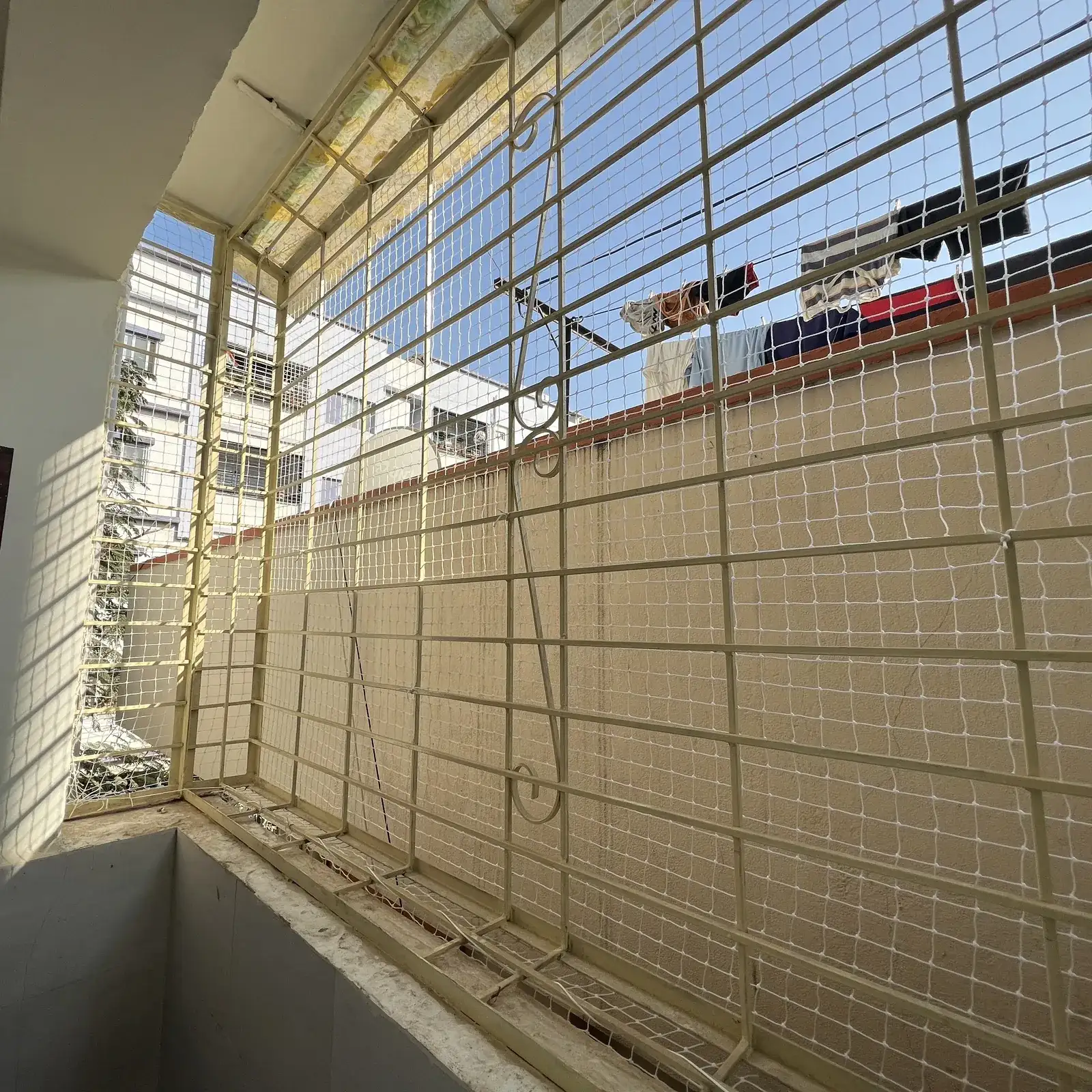
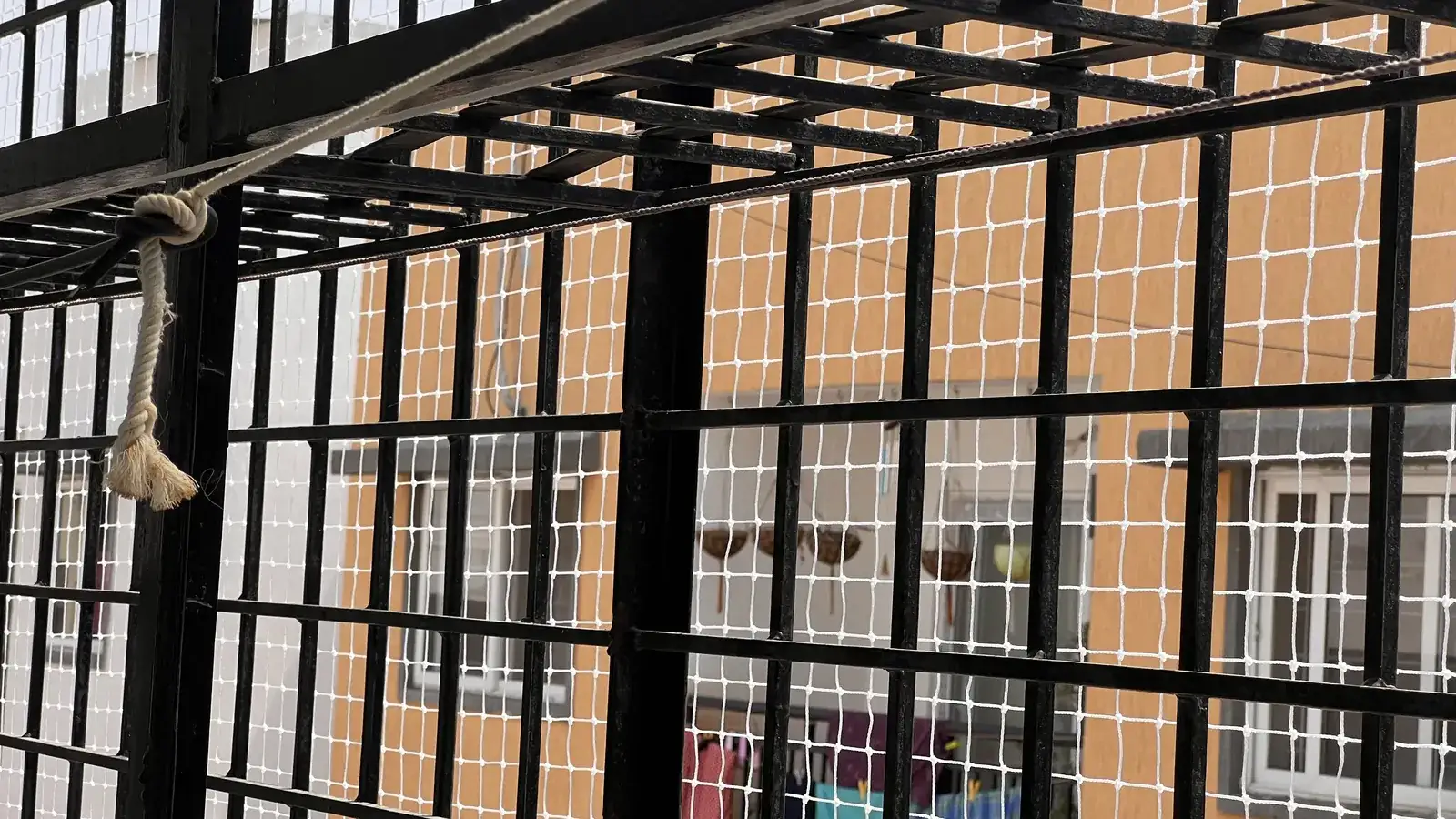
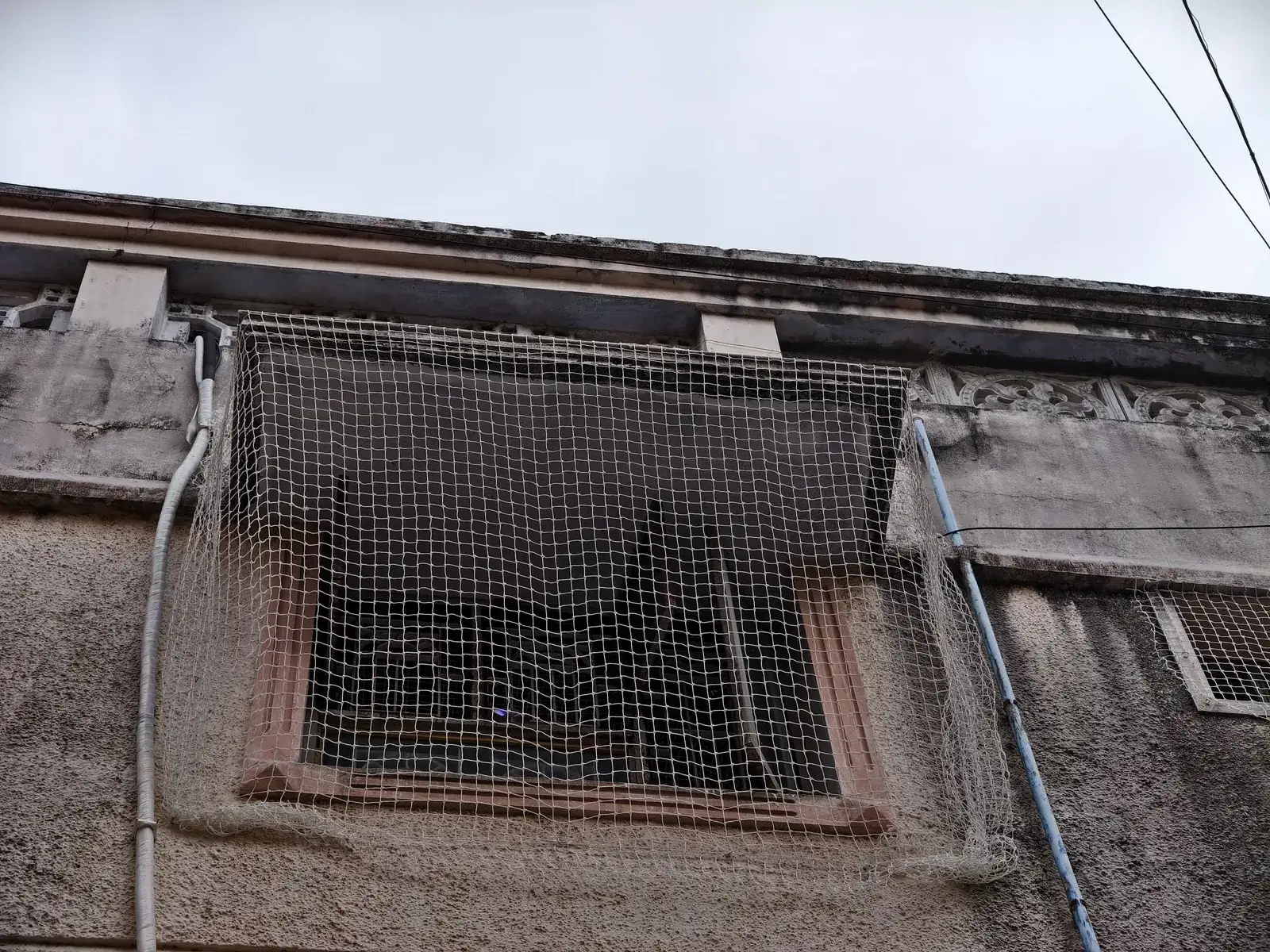
- Kitchen windows and back yards
- The part of the roof monkeys target, around the tank and clothes line
- Open staircases to the roof
- A lockable door where you need access
The net closes the space completely, including the top.
The materials
| Part | What goes in |
|---|---|
| Net | Heavy-duty UV-stabilised HDPE or nylon |
| Border | Stainless-steel wire rope |
| Anchors | Stainless-steel eye bolts at close spacing |
| Edges | Fully closed to slab and walls |
On the day
We work out how monkeys get in, plan a fully closed enclosure, fix heavy anchors, tension the border, lace the net with extra ties at the top edge and corners, add a door if needed and pull-test it.
Afterwards
Check the net every month or two, especially after monkeys have tested it. Keep fruit, food and offerings indoors, close windows when you go out and never feed monkeys.
Can one net stop both?
Yes. A heavy-duty net with a small mesh keeps out monkeys and pigeons, so you don’t need two layers.
Want more detail? See monkey safety nets and the article on how to stop monkeys entering your home.
Common situations we see
Fruit gone from the kitchen. A window left open while cooking is the usual entry. A heavy net with closed edges across the window keeps it usable for air while stopping monkeys reaching in.
Clothes pulled off the line. Monkeys enjoy pulling washing from roof lines. Enclosing the drying area, with a lockable door, protects it.
Tank lid lifted. Monkeys lift or knock off tank lids to drink. Netting the tank area means you don’t need to replace lids or clean the tank as often.
What else helps?
Keep food, fruit and puja offerings indoors or covered, close upper windows and doors when you go out, and never feed monkeys, which teaches them to return. Talk to neighbours: if several houses in the street keep food out of sight, monkeys are less likely to linger.
Who to contact for a troop?
If a large troop is causing repeated problems in your area, contact the forest department or the municipal corporation, who are responsible for wildlife. A net protects your own home but doesn’t move the troop.
Before we come
Note when monkeys come, which way they arrive and what they go for, and send photos of the roof, kitchen window and any staircase. That tells us how much net to bring and where the enclosure should run.