

Our service in Tirupati
Tirupati is a pilgrim city, but it is also home to a large and growing population. Independent houses with flat roofs fill neighbourhoods such as Balaji Colony, Korlagunta, Bairagipatteda and Kesavayanagunta. Apartment buildings have grown along the AIR Bypass Road, Renigunta Road and in newer layouts around M.R. Palli and Mangalam. Tiruchanoor, home to the Padmavathi temple, and Alipiri, at the foot of the footpath to Tirumala, have their own character.
Across all of them, three problems come up again and again: monkeys, pigeons and open roof edges. We plan each installation around which of these your home faces.
What makes Tirupati different
Monkeys from the hills
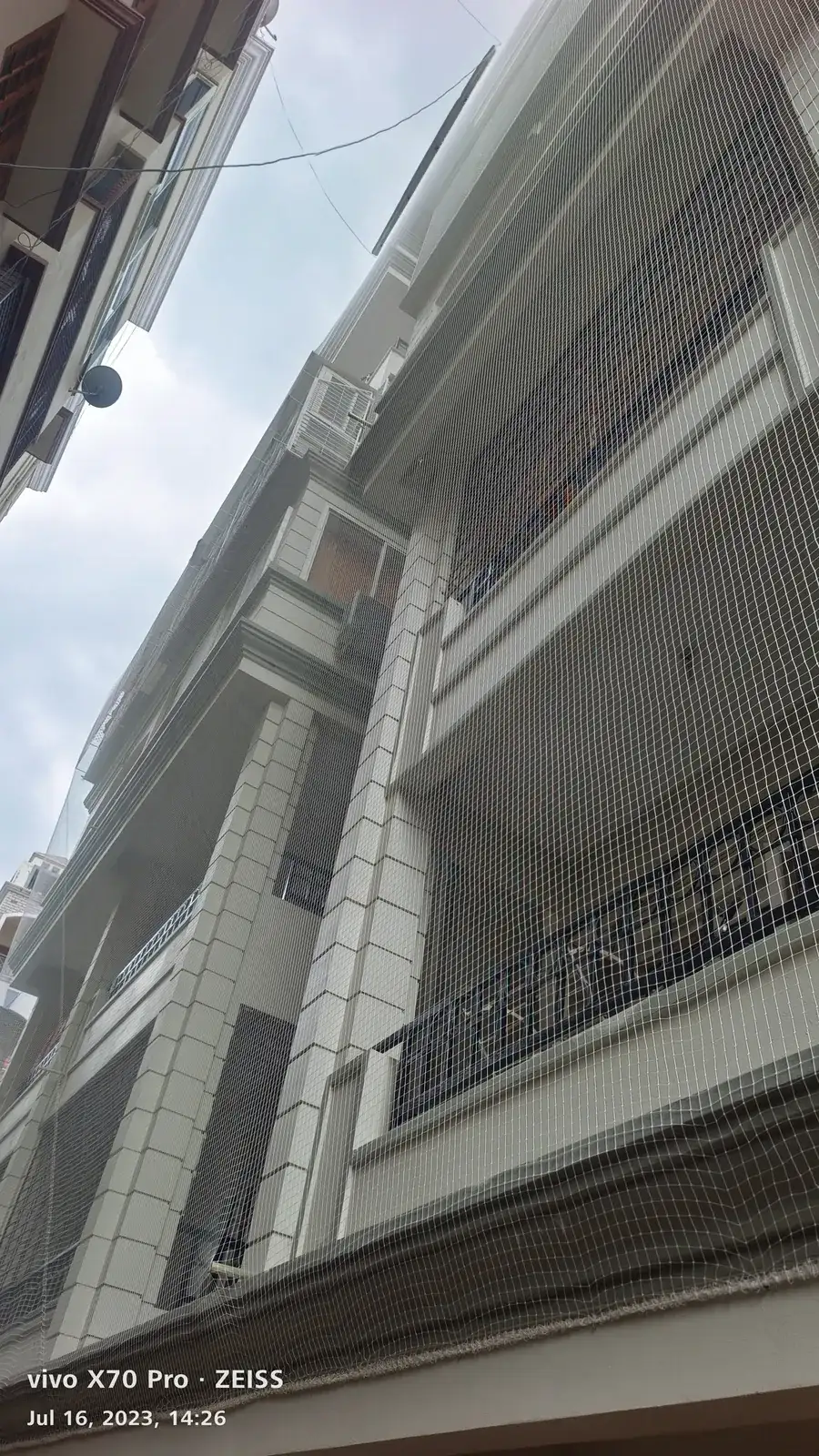
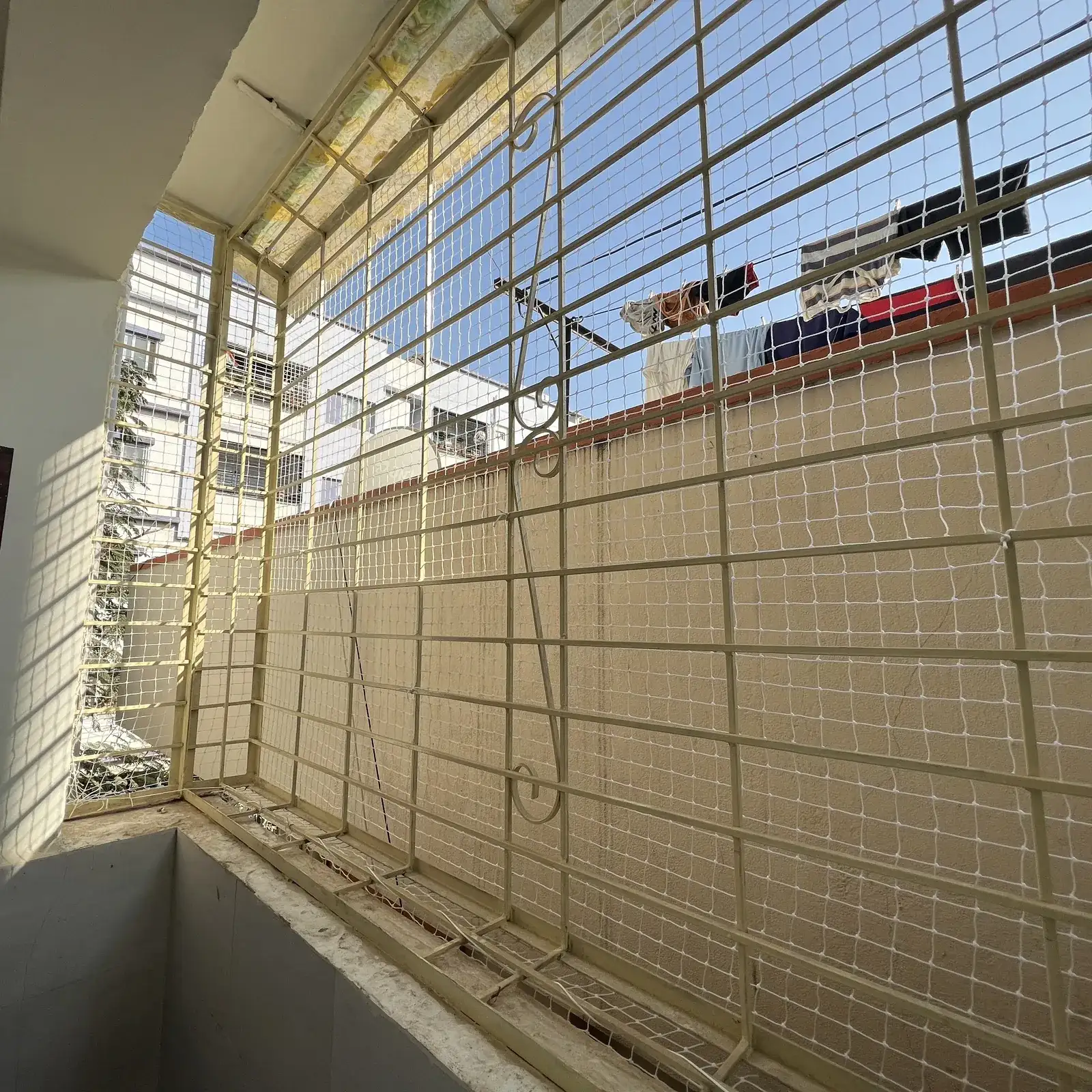
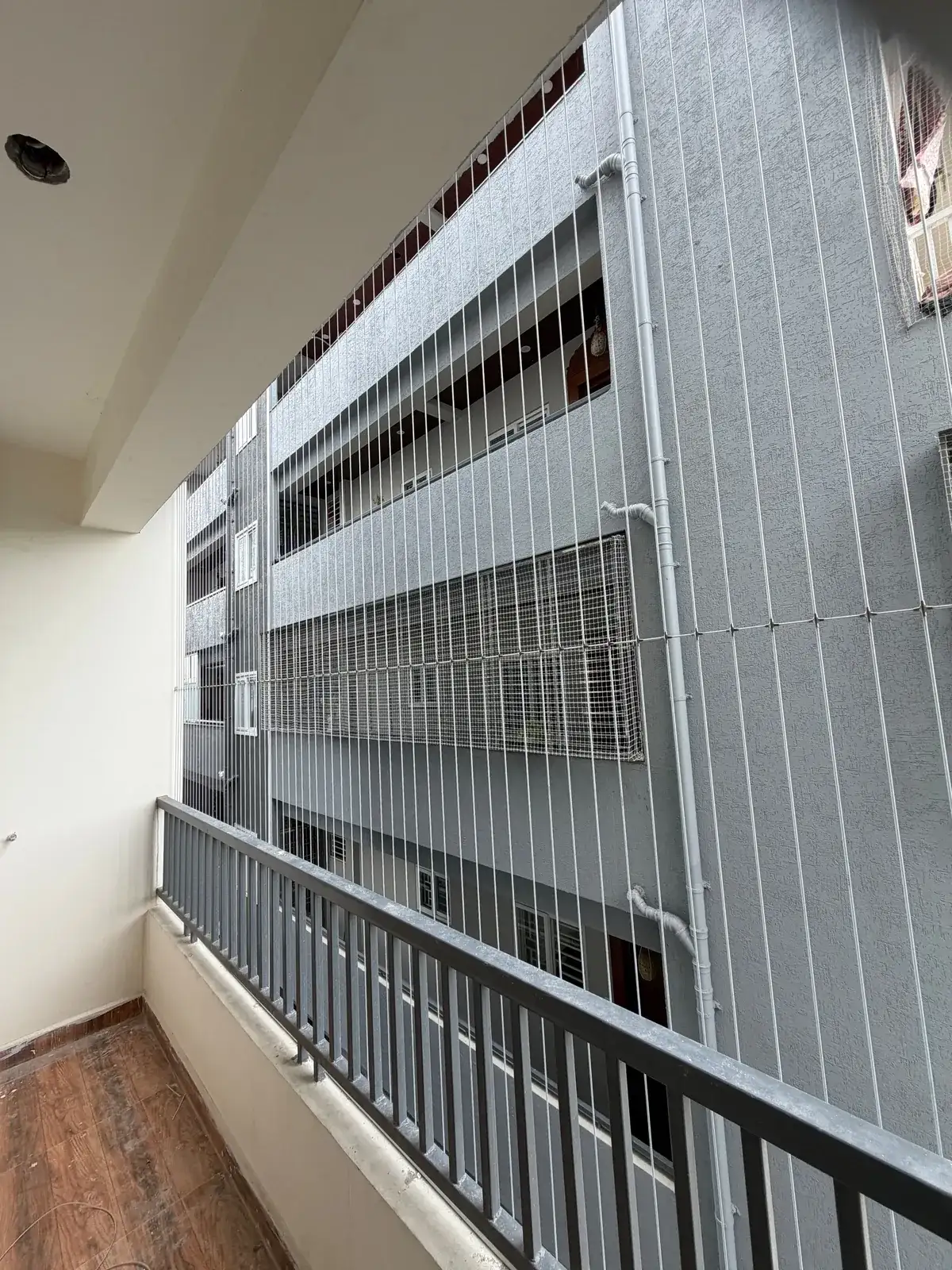
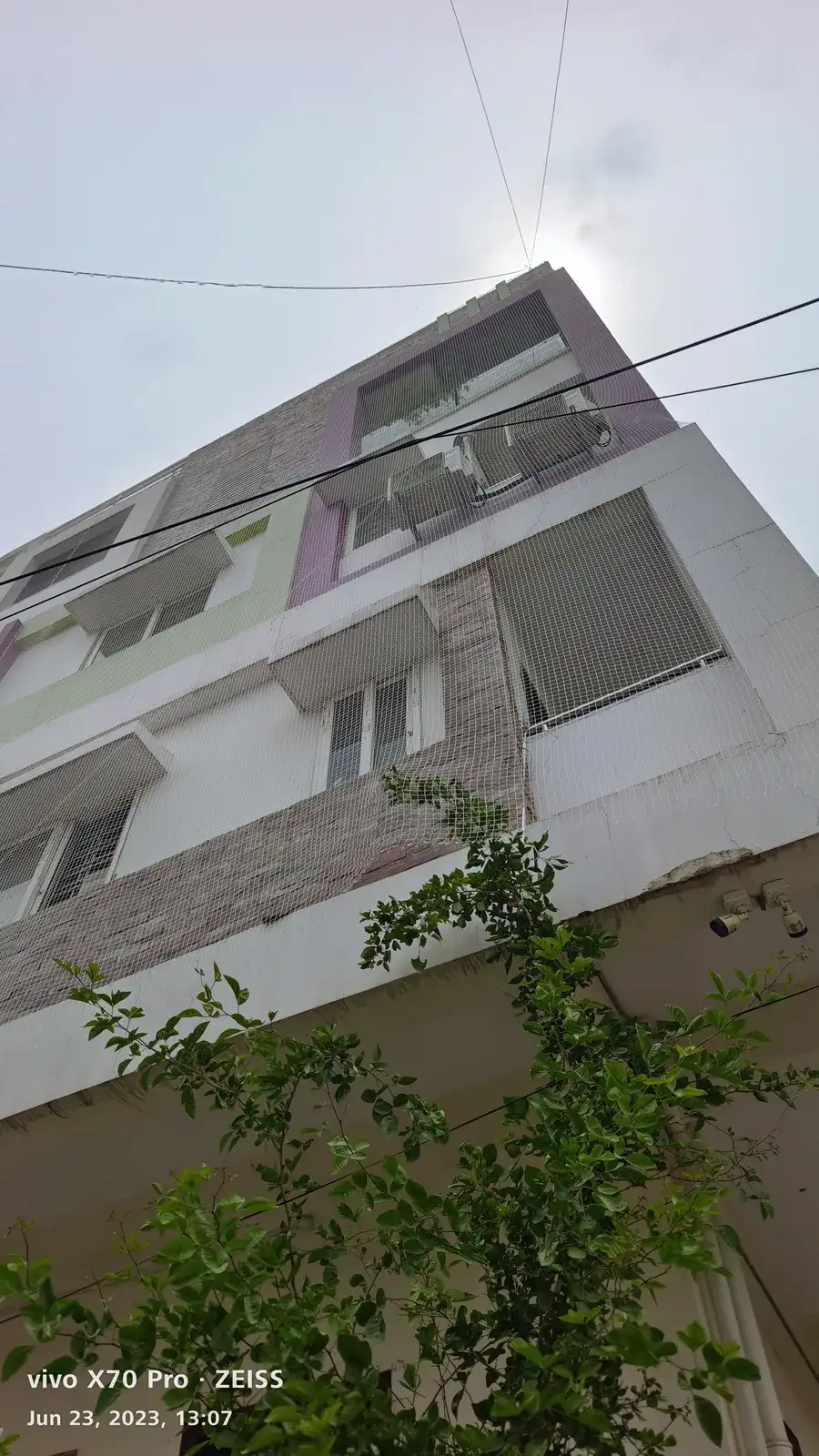
The Tirumala hills rise directly above the city, and monkeys live throughout them. They are used to people and food, and in neighbourhoods near the hills they come down onto rooftops, balconies and kitchen windows every day. They take fruit and vegetables, open windows, damage water tank lids and pull clothes off lines. A pigeon net does not stop them. A heavy-duty monkey net, fully closed on every edge, is what works.
Pigeons around the temples
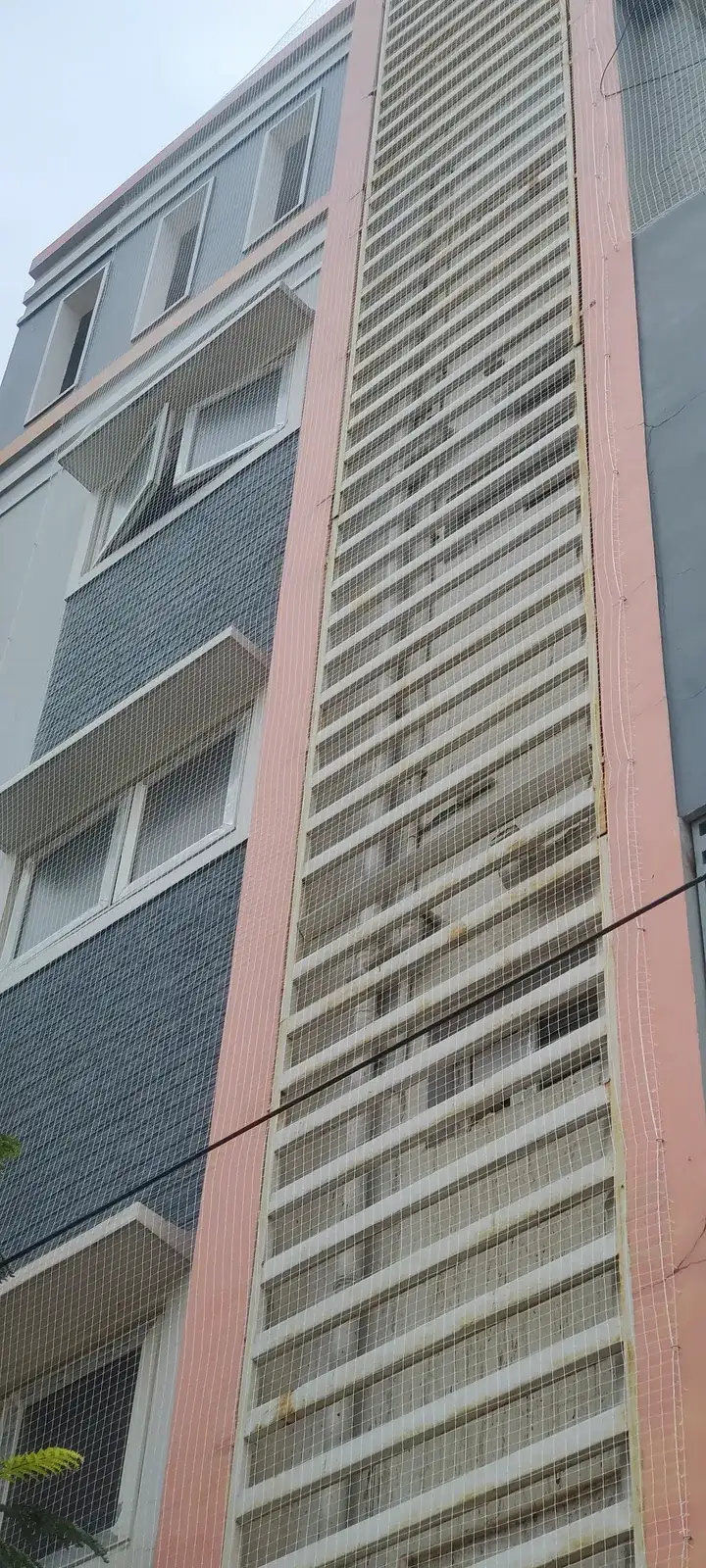
Pigeons gather in large numbers around Tirupati’s temples and the busy streets that serve pilgrims. They nest on the ventilators, sunshades and balconies of nearby homes.
Fierce summers
Tirupati’s summers are hot, with temperatures often in the high thirties and forties from March to June. Nets and fittings on open terraces take hours of strong sun. We use UV-stabilised nets and SS 316 cables that don’t absorb heat like steel bars.
Rains
Most of the year’s rain comes with the northeast monsoon from October to December, often heavily. Stainless-steel hooks and anchors stop rust from weakening fittings or staining walls.
Flat roofs used every day
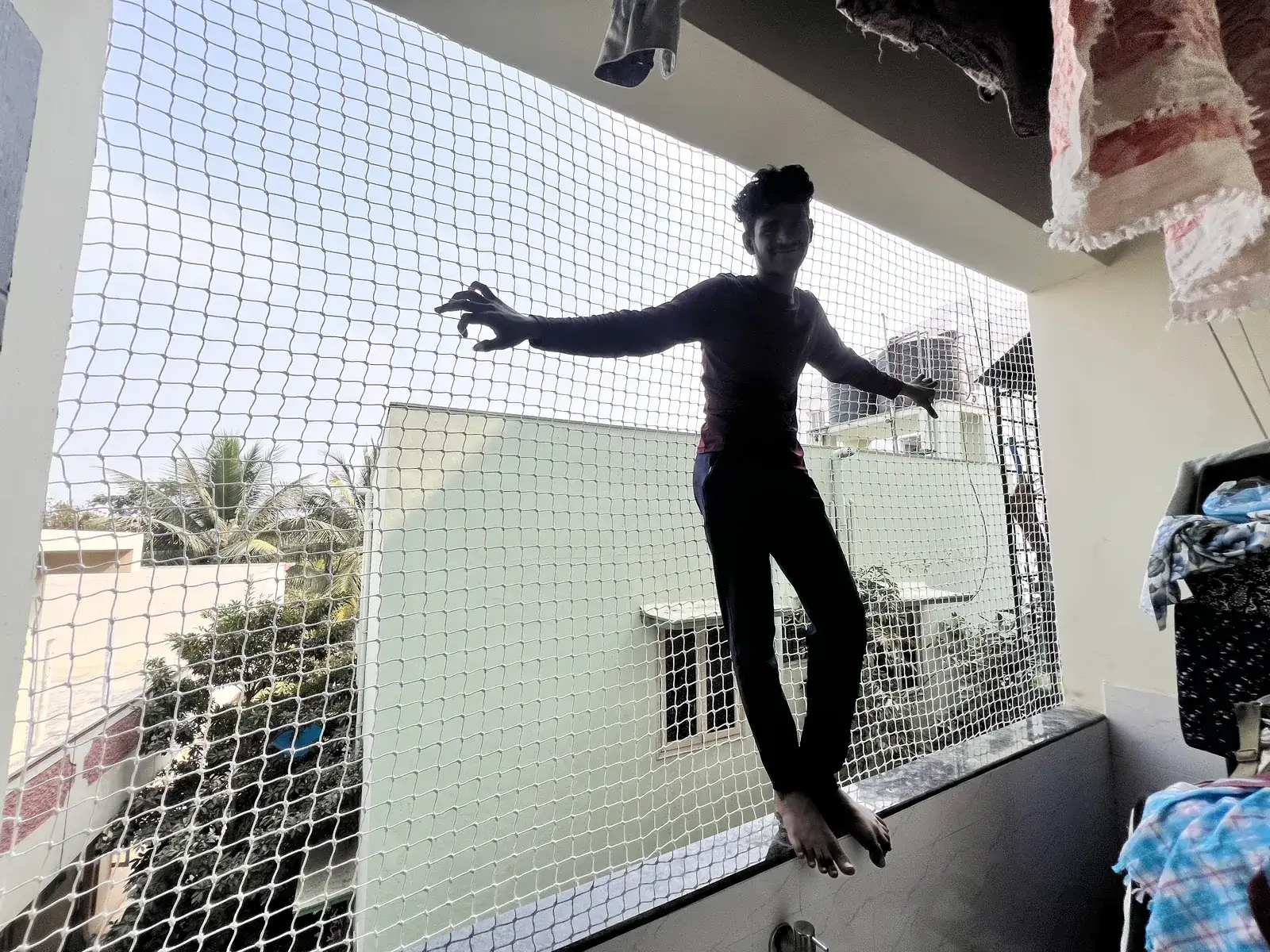
As in much of South India, Tirupati’s houses have flat roofs used for drying clothes, storing water and sitting out in the evening. Monkeys make roofs a particular target, so many families combine a safety net on the parapet with a monkey net over the area they use most.